
The complete guide
HB3 9005 Headlight Bulbs, A Practical Buyer's Guide
When one headlight goes out
You usually find out about a dead headlight from someone else. A flash from an oncoming car, a comment from a passenger, or the moment you pull up to a wall at night and notice the light pattern is lopsided. It is a small fault with an outsized effect, because a single working beam throws light unevenly and makes judging distance harder on unlit roads.
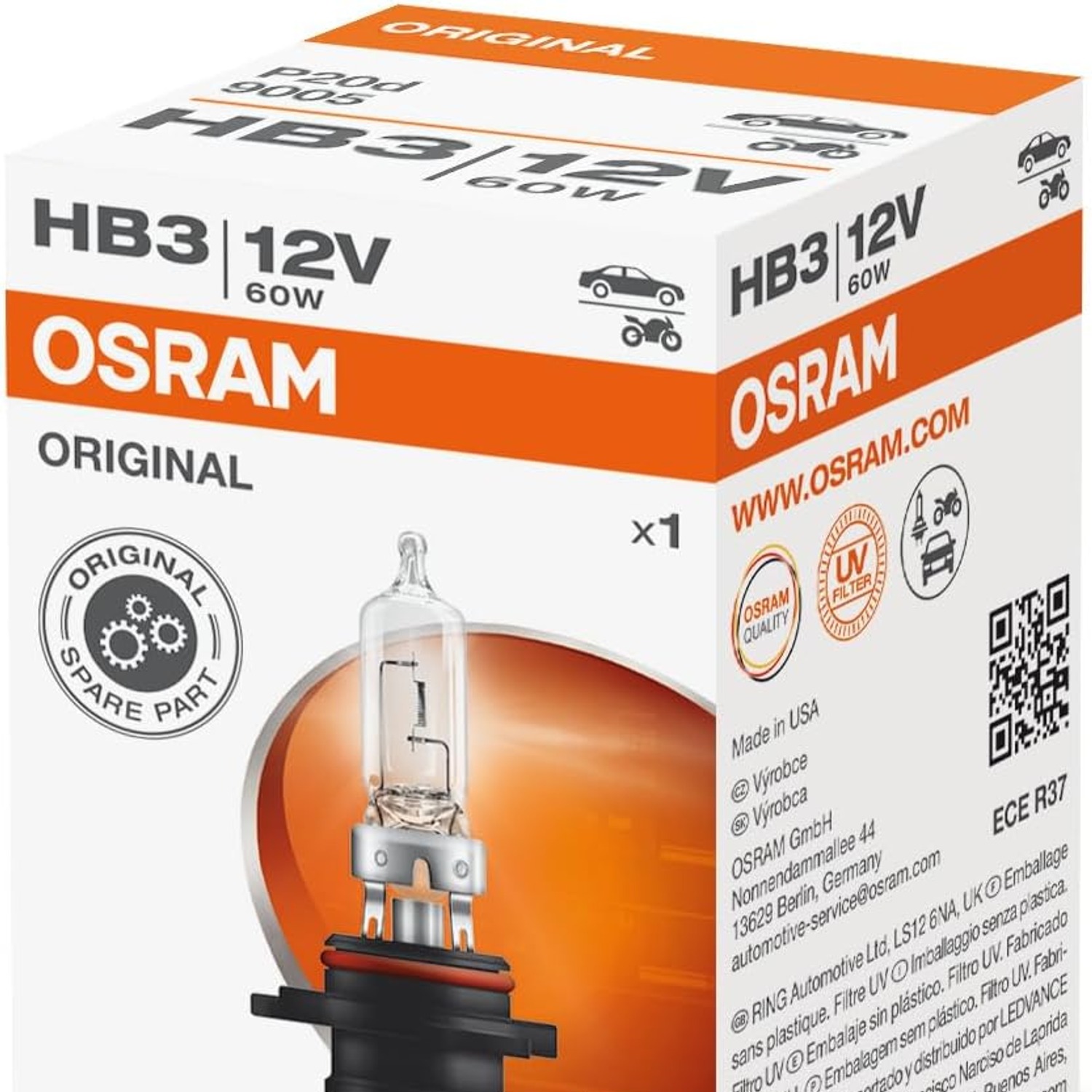
The fix is normally simple. Most cars use a standardised bulb fitting, and once you know which one, the replacement is a like-for-like swap into the same socket. This page covers the HB3 fitting, which you will also see written as 9005. Two names, one shape of bulb.
HB3 and 9005 are the same thing
This trips people up constantly, so it is worth being clear. HB3 is the common European way of writing the fitting code. 9005 is the number you will often see on packaging and in parts catalogues elsewhere. They refer to the same bulb shape, with the same base and the same way of locating in the socket.
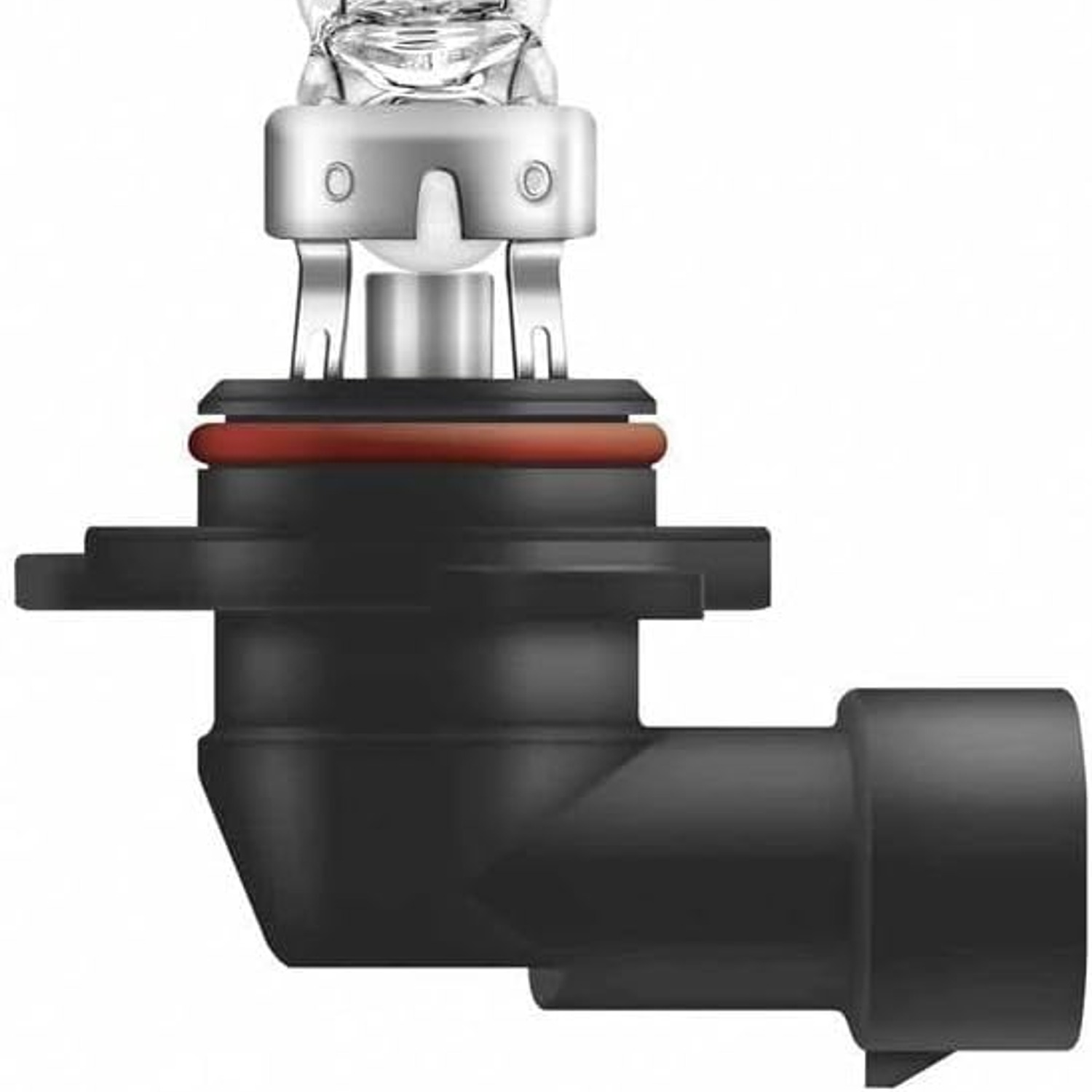
If the old bulb in your hand is stamped HB3, or 9005, or both, then a bulb sold under either code has the matching fitting. What you should not do is assume that a bulb which looks roughly similar will fit. Headlight bulb bases differ by small amounts that are entirely deliberate, so that a bulb cannot be forced into the wrong lamp. A bulb with the wrong base will either refuse to seat or will sit at the wrong angle, which puts the filament in the wrong place and ruins the beam pattern.
Checking which bulb your car takes
There are two reliable ways to find out, and both beat guesswork.
The first is the owner manual. Nearly every manual has a bulb specification table, usually tucked near the back with the fluid capacities and tyre pressures. It will list each lamp position and the bulb code it takes. Note that the code for main beam and dipped beam is often different on the same car, so read the row carefully.
The second method is to look at the bulb itself. Take the old one out and read the small print on the base. The fitting code is almost always printed there along with the voltage. If the printing has burned away or the bulb has shattered, the manual is your fallback. Still stuck? Photograph the bulb and the socket and send it to us before you order. A two minute question saves a return.
What we cannot do is tell you that a bulb fits a named car model. Manufacturers change specifications between model years, trim levels and markets, and headlamp assemblies get swapped during a car's life. Fitting type is the only thing that can be checked properly, and it is the only thing we list by.
Why buy a single bulb
A single bulb covers the most common situation, which is one side failing while the other carries on. It also makes a sensible glove box spare. Bulbs almost never fail at a convenient moment, and having one in the car turns a potential problem into a short stop in a lay-by.
That said, there is a good argument for replacing both sides together. If the pair went in at the same time, the surviving bulb has done the same hours as the one that just failed, and it is statistically closer to the end of its life than to the beginning. Doing both means one job rather than two, and it keeps the two beams looking consistent from the front. If you go that route, simply add two bulbs to your basket.
Fitting the bulb without making it worse
Start cold. Halogen bulbs run extremely hot and the housing holds that heat for a while after you switch off. Give it time, and wear thin gloves if you are impatient.
Access varies enormously. Some cars give you a palm-sized gap behind the headlamp and you are done in ten minutes. Others want the air box moved, a battery shifted, or a wheel arch liner peeled back. Have a look before you start so you know what you are in for. If access looks awful, a garage will usually do it in minutes with the right angle of approach.
The handling rule matters more than people realise. Do not touch the glass with bare fingers. Skin leaves a trace of oil behind, and when the bulb reaches working temperature that spot heats unevenly. Hold the bulb by its metal or plastic base instead. If you slip and touch the glass, do not panic, just wipe it gently with a clean lint-free cloth and a little isopropyl alcohol, then let it dry before fitting.
The sequence itself is straightforward. Unplug the connector, release the retaining clip or twist the collar, withdraw the old bulb, seat the new one so its locating tabs line up with the notches in the socket, refit the clip, push the plug back on, and test before you reassemble anything. Testing first is the step people skip and then regret.
Keeping an eye on the rest of the lamp
A new bulb will not help much if the lens in front of it has gone cloudy. Polycarbonate headlamp lenses yellow and haze with age and UV exposure, and a hazed lens scatters light instead of projecting it. Washing the lens properly, and polishing it if the haze is on the outside, often makes a bigger visible difference than the bulb swap itself.
Moisture is the other thing to look for. If you see condensation inside the housing when you have the bulb out, the seal or a vent is letting water in. Damp inside a headlamp shortens bulb life and corrodes connectors. Worth fixing before you start burning through replacements.
Finally, check the connector. Browned plastic, green deposits on the terminals or a loose fit all point at a problem that a fresh bulb will not solve. If a bulb on one particular side keeps failing while the other lasts for years, the fault is usually electrical rather than the bulb.
What we do and do not claim
We list this item by its fitting, light source, pack quantity and voltage, because those are the facts we can stand behind. We do not publish brightness comparisons, output figures, lifespan hours or colour temperature for this bulb, and we do not claim an approval mark for it. If you need a bulb carrying a particular marking, read what is printed on your old bulb and ask us before ordering so there are no surprises.
We also do not list vehicle fitment. It is tempting to want a simple yes or no against a car model, but the honest answer is that the handbook and the old bulb are the two sources worth trusting.
The short version
HB3 and 9005 are the same fitting, and this is one 12 volt halogen bulb with that fitting. Confirm the code in your owner manual or on the base of the old bulb before you order. Let everything cool before you start, hold the new bulb by its base rather than the glass, seat it properly and test the beam before you put the covers back. Consider doing both sides while you have the tools out, and keep a spare in the car. If you are not certain about the fitting, ask us first and we will help you work it out.